
The Importance of Sniffing and Scent Work for Dogs
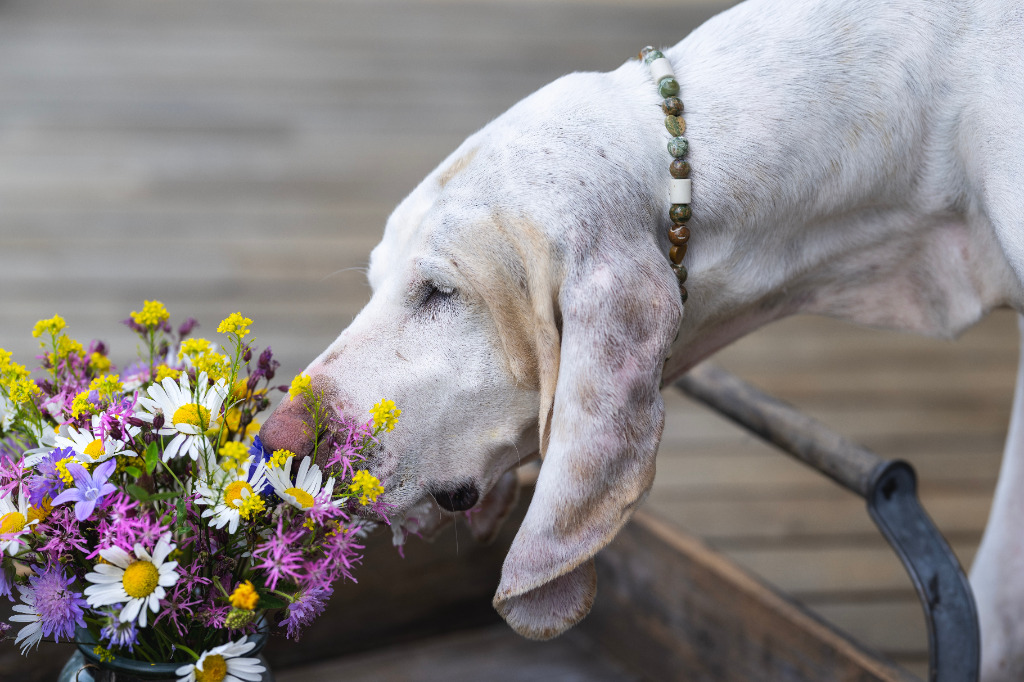
A dog’s world is built around scent. While humans rely primarily on sight, dogs experience life through their noses—using scent to gather information, make sense of their environment, and even regulate their emotions. Allowing dogs the time and freedom to sniff isn’t just a casual pastime; it’s a fundamental need and one of the most important ways they engage with the world.
The Power of a Dog’s Nose
A dog’s sense of smell is extraordinary. Dogs have up to 300 million olfactory receptors in their noses, compared to about six million in humans. The part of a dog’s brain dedicated to analyzing scent is roughly 40 times larger than ours. This means that dogs can detect odors in parts per trillion, identifying scents we could never notice—from the faintest trace of another dog’s presence to subtle chemical changes in the body.
Sniffing allows dogs to interpret layers of information about their surroundings: who has been there, what they were doing, what they ate, and even how they felt. For dogs, each smell tells a story.
Mental Stimulation and Emotional Balance
Sniffing is more than sensory—it’s mental enrichment. When dogs sniff, they engage their brains in deep concentration. Scent work tires them out mentally, often more effectively than a long walk or a game of fetch. For high-energy or anxious dogs, sniffing can help release tension and lower stress levels. It encourages calmness and provides a healthy outlet for natural instincts.
Allowing dogs to explore scents during walks—often called a “sniffari”—turns a routine outing into a form of cognitive exercise. A ten-minute sniff walk can provide the same level of satisfaction as a much longer traditional walk because it fulfills an instinctual need rather than simply burning energy.
Communication and Confidence
Dogs also use scent to communicate. They learn about each other’s sex, age, health, and mood through sniffing. This chemical conversation helps them navigate social interactions and understand their environment safely. For shy or fearful dogs, scent-based games and controlled sniffing experiences can help build confidence by allowing them to explore and make sense of the world at their own pace.
The Role of Scent Work and Enrichment
Structured scent work—like nosework or scent-detection games—transforms this natural ability into a purposeful, rewarding activity. These exercises can be done anywhere, indoors or outdoors, using simple materials such as boxes, treats, or essential oils. In enrichment-based facilities, “sniff rooms” or scent gardens offer dogs opportunities to explore safely while satisfying this primal drive.
Why Sniffing Matters
When we rush dogs through walks or discourage them from sniffing, we inadvertently deny them an essential part of their well-being. Sniffing supports mental health, emotional regulation, and overall happiness. Encouraging it strengthens the bond between dog and owner by showing respect for the dog’s natural instincts.
In short, sniffing isn’t just something dogs like to do—it’s something they need to do. Supporting their powerful noses enriches their lives, enhances their behavior, and lets them experience the world the way nature intended: one scent at a time.